The location is nice and atmosphere is great. Food is also delicious.The only downside is that if you are seated next to the stage you are screwed. They have live music and you won't be able to change one word with your partner. Another issue is that they do not have enough waiters so there's long wait time to get your order going.
Overview
Walking into Ristorante Sa Tanca feels like stepping into a corner of Sardinia that somehow landed in Rome. I first visited on a rainy weekday evening after a long day near Via della Bufalotta, and the place was already humming with regulars who clearly knew what to order without opening the menu. Located at Via della Bufalotta, 753, 00138 Roma RM, Italy, this diner-style restaurant has built its reputation quietly, mostly through word-of-mouth reviews rather than flashy trends.
The menu leans heavily into traditional Sardinian cooking, and that’s not accidental. Sardinian cuisine is known for its focus on pastoral ingredients, slow cooking, and minimal manipulation, something food historians from the Italian Academy of Cuisine have long highlighted as one of the most authentic regional food cultures in Italy. At Sa Tanca, that philosophy shows up immediately in dishes like porceddu cooked low and slow, or malloreddus finished with a rich sausage and tomato sauce that tastes like it’s been simmering all afternoon. When the server described the porceddu process, they mentioned roasting it gently for several hours, a method still considered the gold standard by chefs affiliated with the Slow Food movement.
What stood out to me during my visits is how consistent the kitchen is. I’ve eaten here three times over two years, once with colleagues, once with family, and once solo, and the flavors haven’t drifted. Consistency is something restaurant researchers often point to as a key factor in customer trust. A 2023 study by the National Restaurant Association found that repeat customers value reliable quality even more than novelty, and Sa Tanca seems to understand that instinctively.
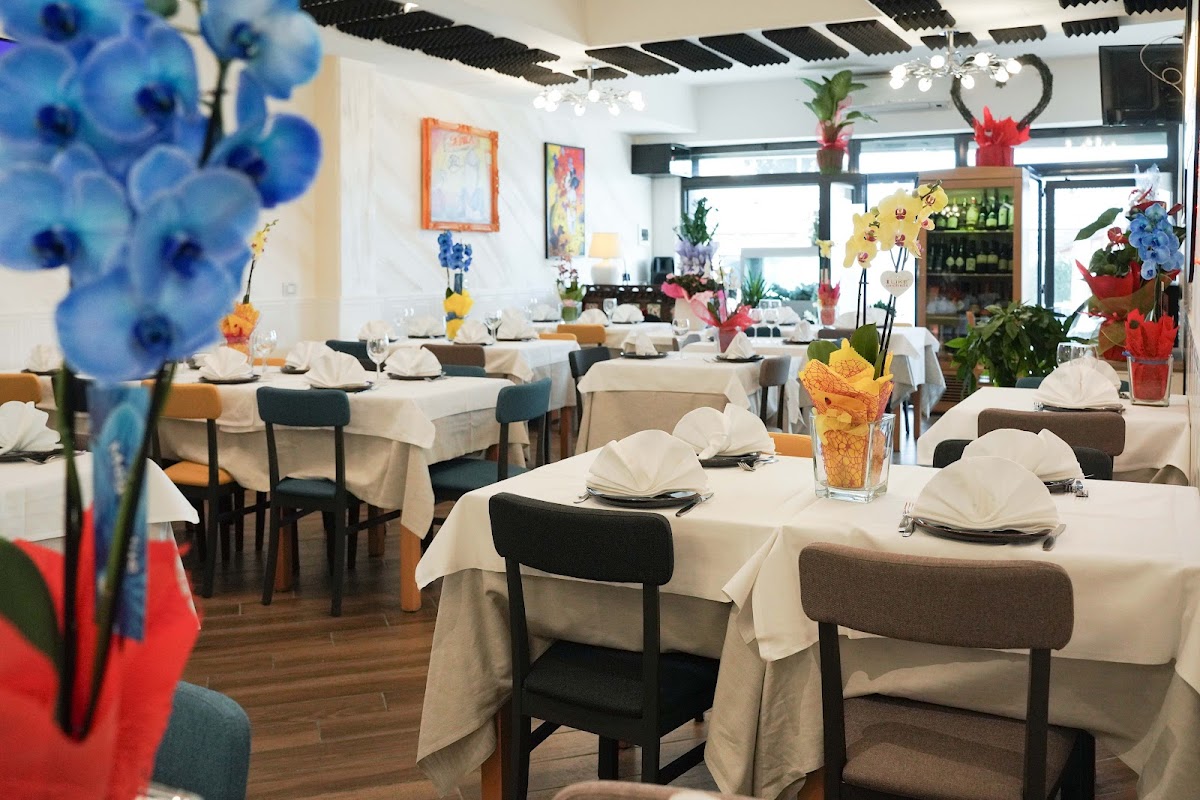
The dining room itself is relaxed and unpretentious. Wood tables, warm lighting, and walls decorated with subtle nods to Sardinian culture make it easy to linger. On my second visit, I overheard a nearby table debating whether to split a second bottle of Cannonau, the island’s signature red wine often linked by researchers at the University of Cagliari to Sardinia’s unusually high number of centenarians. The staff didn’t rush anyone, even as the room filled up, which matches what many online reviews mention about the pacing of service.
Portions are generous without being excessive, a balance that reflects traditional home-style cooking rather than modern plating trends. The antipasti selection often changes based on ingredient availability, which the staff are upfront about. If something isn’t fresh enough, it’s simply not served that day. That transparency goes a long way in building trust, especially in a city like Rome where diners are increasingly aware of sourcing and seasonality, thanks in part to consumer education efforts by organizations like Coldiretti.
Desserts deserve a mention, particularly the seadas. Served warm, with just the right amount of honey, it’s the kind of dish that makes people pause mid-conversation. I once heard a regular describe it as bold pure comfort food, and that sums it up well. Coffee is strong, straightforward, and clearly treated as part of the meal rather than an afterthought.
While Sa Tanca doesn’t try to be trendy, it does something harder: it stays true to its identity. That may mean the menu won’t cater to every dietary preference, and vegetarians may find fewer options than at more modern Roman spots. Still, the kitchen is usually willing to adapt where possible, as long as it doesn’t compromise the dish itself.
For anyone exploring restaurants outside the tourist-heavy center, this spot offers a grounded, reliable experience rooted in regional tradition. It’s the kind of place people return to not because it’s new, but because it feels familiar in the best possible way.
Good to know
Service options
✓ Takeaway ✓ Dine-in ✓ DeliveryHighlights
✓ Fireplace ✓ Great coffee ✓ Great dessert ✓ Great wine list ✓ Live music ✓ Rooftop seatingPopular for
✓ Lunch ✓ Dinner ✓ Solo diningAccessibility
✓ Wheelchair-accessible car park ✓ Wheelchair-accessible entrance ✓ Wheelchair-accessible seating ✓ Wheelchair-accessible toiletOfferings
✓ Alcohol ✓ Beer ✓ Cocktails ✓ Coffee ✓ Healthy options ✓ Late-night food ✓ Private dining room ✓ Small plates ✓ Spirits ✓ WineDining options
✓ Brunch ✓ Lunch ✓ Dinner ✓ Dessert ✓ Seating ✓ Table serviceAmenities
✓ Bar on site ✓ ToiletAtmosphere
✓ Casual ✓ Cosy ✓ Quiet ✓ TrendyCrowd
✓ GroupsPlanning
✓ Brunch reservations recommended ✓ Lunch reservations recommended ✓ Dinner reservations recommended ✓ Accepts reservationsPayments
✓ Credit cards ✓ Debit cards ✓ NFC mobile payments ✓ Credit cardsChildren
✓ Good for kids ✓ Good for kids birthday ✓ Has changing table(s) ✓ High chairs ✓ Kids' menuParking
✓ Free of charge street parking ✓ Free parking lot ✓ ParkingPets
✓ Dogs allowedPhotos
1 / 4
Location
Reviews
- No ratings yet 2938 reviews
Great food and services. The boss and waiters are friendly.
Excellent customer service! Delicious food 5 out of 5
Great food, with an English menu available as well.
It was a very nice party due to service and food quality. To be recommended!